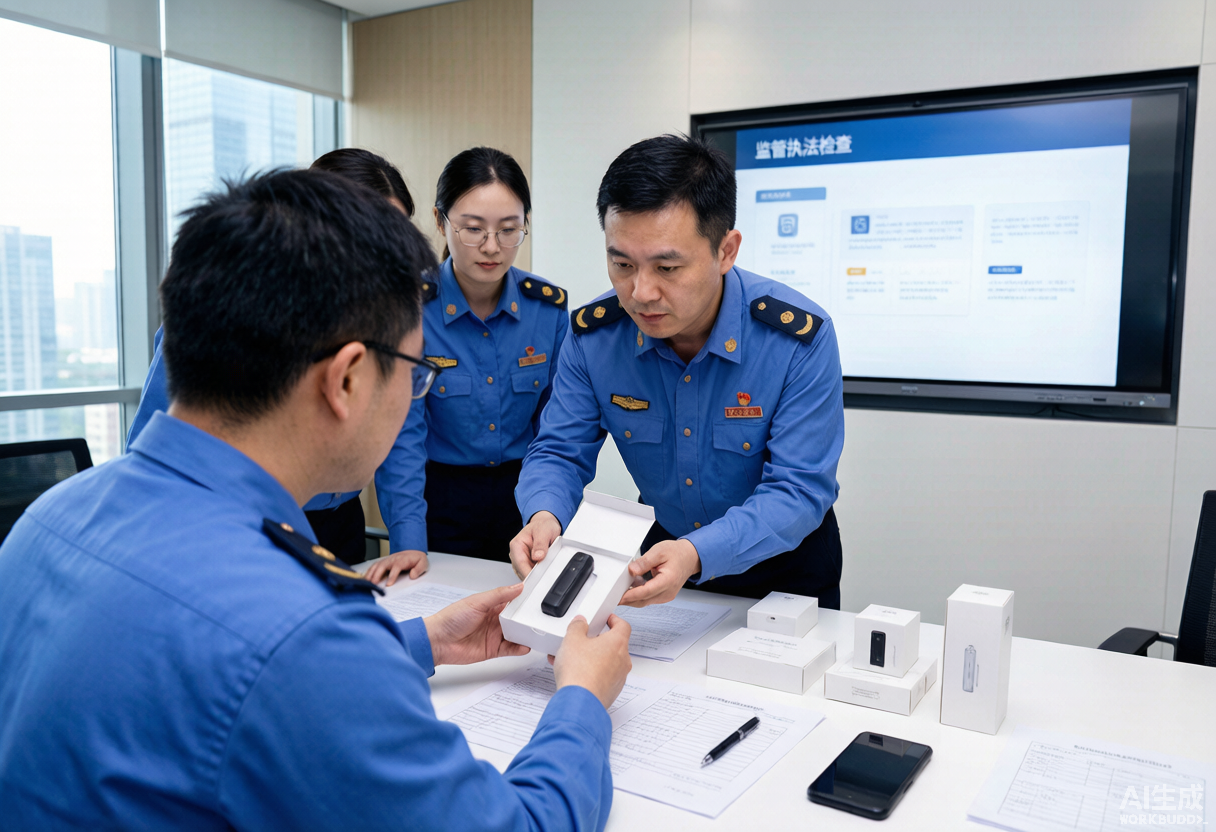
South Korea Vape Strategies Diverge: BAT Reconsiders Exit as PMI Expands VEEV to 14,000 Stores
South Korea’s regulated vaping market becomes a battleground for contrasting corporate strategies
The South Korean vape market is experiencing a strategic crossroads as two global tobacco giants adopt diametrically opposed approaches. British American Tobacco (BAT) is reconsidering its exit from the market, while Philip Morris International (PMI) is aggressively expanding its VEEV product line to 14,000 retail locations—a divergence that highlights the complex dynamics of regulated nicotine markets in Asia.
- BAT Strategy: Previously considered complete market exit due to unregulated competition, now reassessing following new nicotine regulations
- PMI Expansion: Launched VEEV inPRIME in June 2026, expanding to ~14,000 convenience stores by July
- Regulatory Shift: South Korea introduced new nicotine regulation framework creating competitive landscape changes
- Financial Impact: BAT’s APMEA Vapour volume fell 20.2% YoY in H1 2026, revenue declined 28.2% at constant currency
- Market Opportunity: Regulated market consolidation favoring established players with compliance capabilities
BAT’s Strategic Reassessment in South Korea
British American Tobacco’s journey in South Korea’s vaping market illustrates the challenges faced by multinational tobacco companies in rapidly evolving regulatory environments.
From Exit Consideration to Market Monitoring
BAT Rothmans, the company’s South Korean subsidiary, confirmed that it had previously considered withdrawing from the country’s vaping market due to intense competition from unregulated products. The company cited the difficulty of competing against illegal products that didn’t comply with emerging regulations.
However, following the introduction of South Korea’s new nicotine regulatory framework, BAT began reassessing local conditions. The company’s statement emphasized that its vaping products continue to be sold through existing distribution channels, and it will keep evaluating the impact of regulatory changes.
“BAT previously considered withdrawing from South Korea’s vaping market because of competitive pressure from unregulated products, but is now reassessing conditions following changes to the country’s nicotine regulatory framework.” — BAT Rothmans Statement, August 2026
BAT’s global resource reallocation includes selective market exits and strategic reassessments
Financial Performance and Resource Reallocation
BAT’s reassessment of South Korea comes as the company reshapes its global Vapour footprint. In the first half of 2026, BAT’s Vapour volume in Asia-Pacific, Middle East and Africa fell 20.2% year on year. Revenue declined 25.6% at reported exchange rates and 28.2% at constant currency.
The company has attributed part of this decline to strategic market exits and more selective resource allocation. BAT CEO Tadeu Marroco stated that some Asian markets lack appropriate regulation or enforcement, forcing regulated companies like BAT to compete against illegal products and making it difficult to generate sustainable financial returns.
| BAT APMEA Performance H1 2026 | Metric | Change |
|---|---|---|
| Vapour Volume | -20.2% YoY | Significant decline |
| Revenue (Reported) | -25.6% | Currency impact |
| Revenue (Constant Currency) | -28.2% | Organic decline |
| Market Approach | Selective exits | Resource reallocation |
PMI’s Aggressive Expansion with VEEV inPRIME
While BAT reassesses, Philip Morris International is taking the opposite approach—doubling down on South Korea’s regulated vaping market with its VEEV inPRIME product line.
Launch and Distribution Strategy
PMI officially introduced VEEV inPRIME in South Korea in June 2026, marking a significant investment in the country’s regulated vaping market. The company has since expanded its retail reach dramatically, with distribution reaching approximately 14,000 convenience stores and other retail channels by July 2026.
This aggressive expansion represents PMI’s confidence in South Korea’s regulatory framework and its belief in the long-term potential of the regulated nicotine market. The VEEV inPRIME product targets adult smokers looking for reduced-risk alternatives, positioning itself as a premium option in the evolving market.
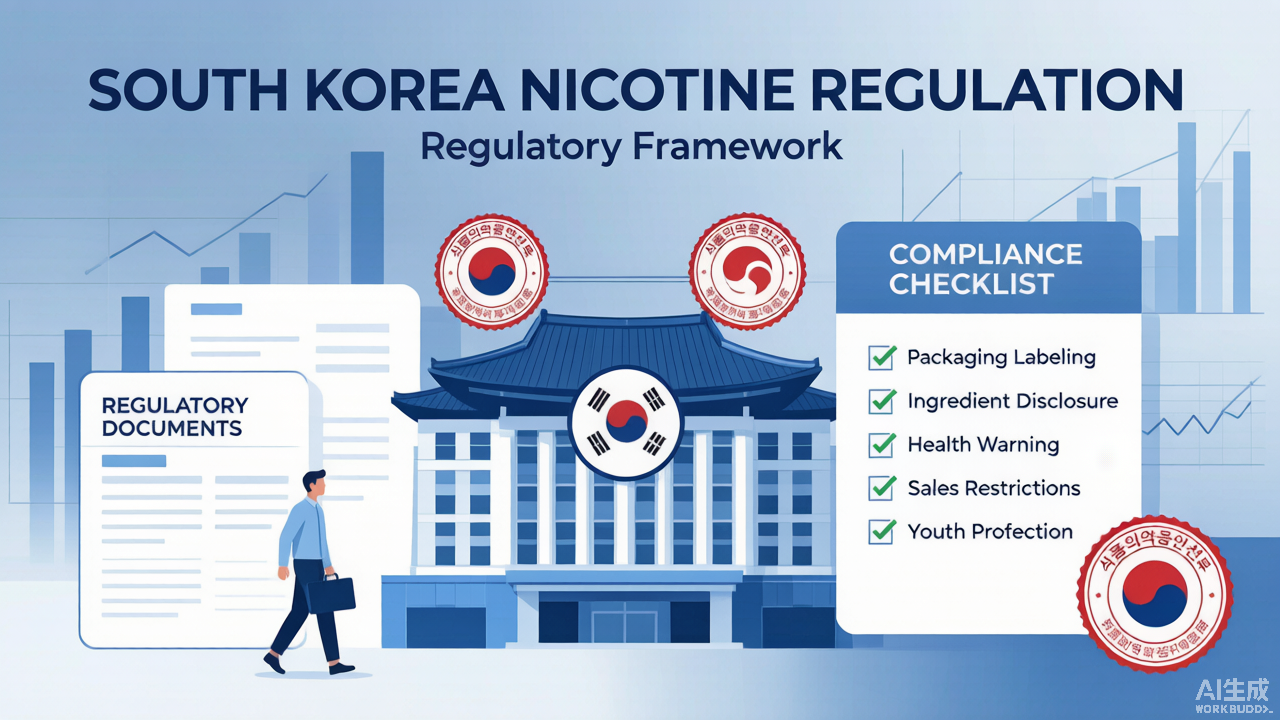
PMI’s VEEV inPRIME reaches 14,000 retail locations across South Korea
Strategic Implications for Regulated Markets
PMI’s approach reflects a broader industry trend where established tobacco companies are increasingly viewing regulated markets as opportunities rather than threats. The company’s investment in South Korea demonstrates that with proper regulatory frameworks, multinational tobacco companies can compete effectively and build sustainable businesses.
“The contrasting moves highlight differing investment strategies as South Korea’s regulated vaping market evolves.” — 2Firsts Analysis, August 2026
Comparative Analysis: Divergent Strategies
| Company | Current Strategy | Market Approach | Risk Tolerance |
|---|---|---|---|
| BAT | Reassessment phase | Selective, cautious | Low – avoiding unregulated competition |
| PMI | Active expansion | Aggressive, investment-focused | High – betting on regulatory framework |
| Market Impact | Consolidation potential | Market leadership opportunity | Regulatory clarity enables strategic moves |
Regulatory Landscape and Market Dynamics
South Korea’s new nicotine regulatory framework has fundamentally changed the competitive landscape for vaping products. The regulations have created a more level playing field where established companies with compliance capabilities can compete more effectively against unregulated products.
Impact on Competitive Dynamics
The introduction of clear regulations has shifted the competitive advantage from unregulated, price-competitive products to regulated, compliance-focused offerings. This change has created both challenges and opportunities for multinational tobacco companies:
- Compliance Advantages: Established companies with regulatory expertise can now compete more effectively
- Brand Building: Regulated environments allow for legitimate marketing and brand development
- Long-term Sustainability: Compliance-focused business models create more predictable revenue streams
- Consumer Trust: Regulated products build consumer confidence through quality assurance
Industry Implications and Future Outlook
The divergence between BAT and PMI’s strategies in South Korea reflects broader industry trends in the global nicotine market. Their contrasting approaches provide valuable insights for industry observers and investors.
Lessons for Other Markets
South Korea’s experience offers several lessons for other Asian markets where nicotine regulations are evolving:
- Regulatory Clarity Matters: Clear regulations enable strategic investment decisions
- First-mover Advantage: Companies that invest early in regulated markets can capture significant market share
- Compliance as Competitive Advantage: Regulatory expertise becomes a valuable asset
- Market Consolidation: Regulations tend to favor established players with resources for compliance
Investment Considerations
For investors watching the tobacco and vaping sectors, the South Korean market provides a case study in how regulatory changes can create divergent outcomes for companies in the same market. PMI’s aggressive expansion suggests confidence in the long-term potential of regulated nicotine markets, while BAT’s caution reflects concerns about competitive sustainability.
- Short-term: PMI likely to gain market share in South Korea’s regulated vaping segment
- Medium-term: BAT’s reassessment may lead to either recommitment or gradual withdrawal
- Long-term: Regulatory clarity will continue to reshape competitive dynamics across Asia
- Investment Implication: Companies with strong regulatory capabilities positioned for growth in emerging regulated markets
The South Korean vape market stands at a fascinating crossroads where two global giants are testing fundamentally different strategies. As regulatory frameworks continue to evolve across Asia, the outcomes of these contrasting approaches will likely influence corporate decisions across the entire global nicotine industry.