China Cracks Down on Elf Bar Parent iMiracle: What the Emergency Meeting Means for Global Vape Supply Chains in 2026
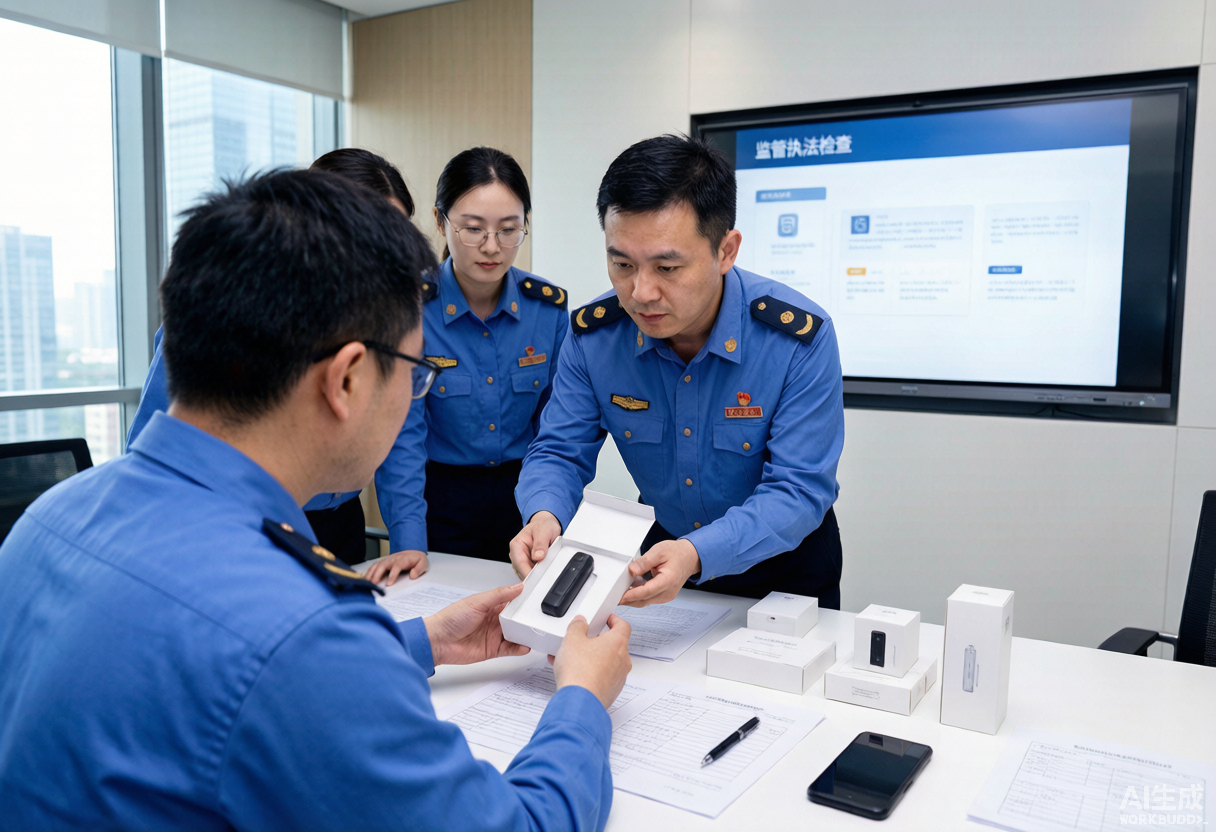
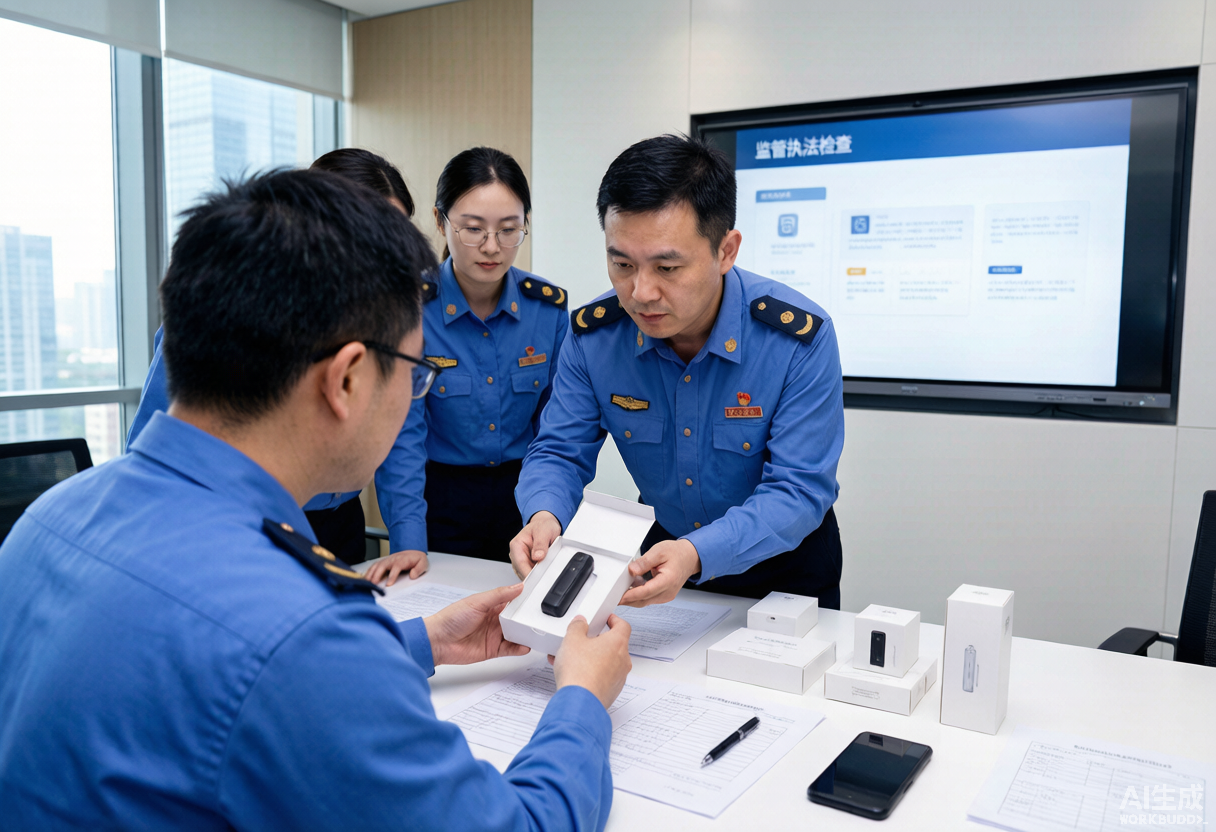
China’s State Tobacco Monopoly Bureau called an emergency meeting with iMiracle (Elf Bar parent) over compliance violations
Key Takeaways
- Breaking: China’s State Tobacco Monopoly Bureau (STB) summoned iMiracle (parent of Elf Bar) for emergency talks over “suspected illegal production and marketing” and “weak compliance management”
- Scale: iMiracle operates the world’s largest disposable vape brand (Elf Bar) with estimated global sales exceeding $2B in 2025
- Impact: The crackdown signals China’s tightened enforcement on domestic e-cigarette brands targeting youth markets
- Supply Chain: Shenzhen manufacturing cluster faces renewed regulatory scrutiny as authorities trace cross-province distribution networks
- Market Reaction: Shares of related Chinese vape suppliers fell 3-7% on the Shenzhen and Hong Kong exchanges following the announcement
The global e-cigarette industry received a jolt on August 12, 2026, when China’s State Tobacco Monopoly Bureau (STB) publicly disclosed it had summoned iMiracle Technology—the Shenzhen-based parent company of disposable vape giant Elf Bar—for emergency regulatory talks. The meeting centered on “suspected illegal production and marketing activities” and “weak compliance management systems” that authorities say have failed to prevent underage sales.
This isn’t a minor administrative footnote. iMiracle isn’t just any manufacturer. It runs Elf Bar, the world’s best-selling disposable e-cigarette brand, and operates through a sprawling network of subsidiaries that touch nearly every corner of the global supply chain. When Beijing calls a company like this into a “regulatory interview,” it sends shockwaves through boardrooms from Shenzhen to London to New York.
The Emergency Meeting: What Actually Happened
According to the official STB announcement published on August 12, the bureau’s compliance division convened an emergency meeting with iMiracle’s senior management team. The meeting was triggered by multiple consumer complaints and field inspection findings that identified serious irregularities in the company’s domestic sales channels.
Three core violations were flagged:
- Suspected unauthorized product modifications: Certain Elf Bar SKUs found in the Chinese domestic market contained flavor additives and nicotine concentrations that exceeded the parameters registered with the STB’s national product database
- Weak age verification enforcement: Retail audits revealed that iMiracle’s distribution partners had systematically failed to implement mandatory age-check protocols at point-of-sale locations
- Inadequate traceability systems: The company’s internal tracking of product batches from factory floor to retail shelf fell short of the digital traceability requirements introduced under China’s 2022 e-cigarette management regulations
The STB statement was notably stern: “iMiracle Technology has been instructed to submit a comprehensive rectification plan within 15 business days, including a full audit of its domestic distribution network, corrective actions on non-compliant product formulations, and a binding commitment to strengthen age-gate controls across all retail touchpoints.”
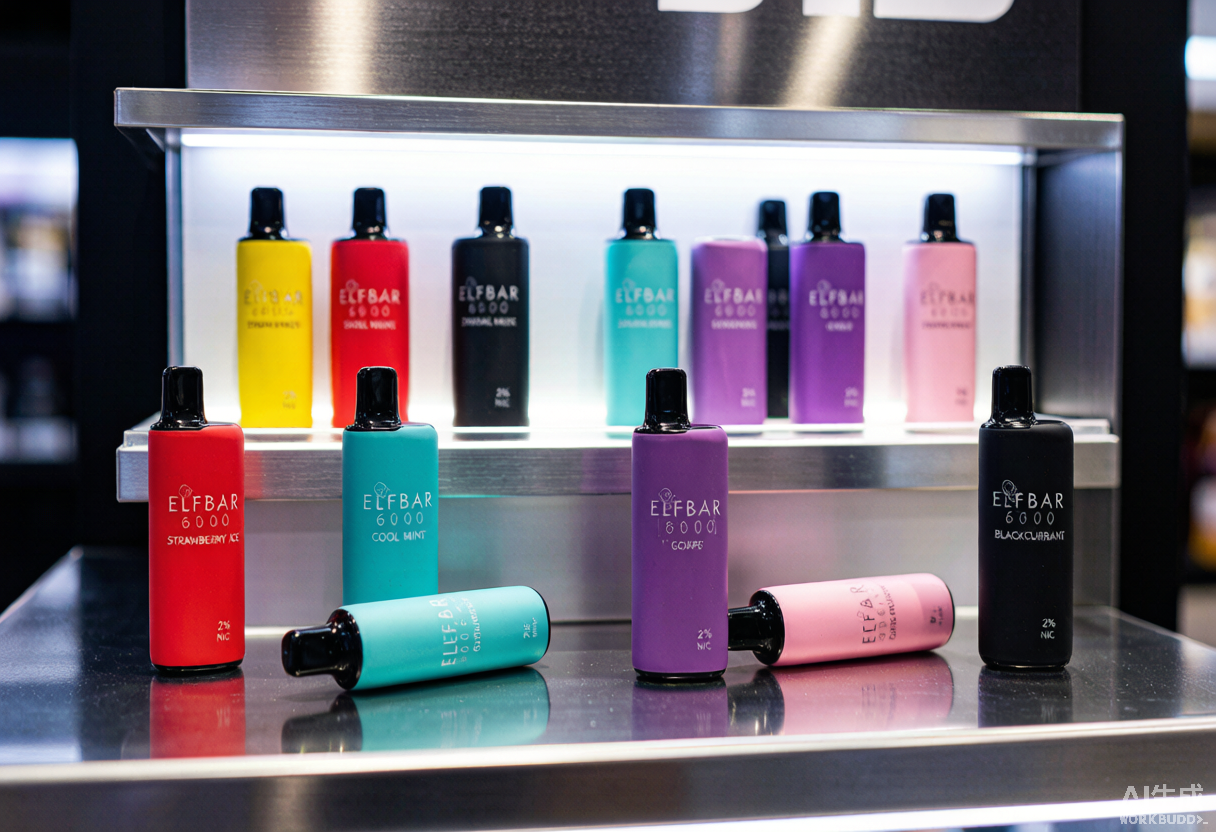
Elf Bar products dominate global disposable vape shelves, but domestic Chinese compliance has come under scrutiny
iMiracle’s Global Footprint: Why This Matters Beyond China
To understand the ripple effects, you need to grasp the sheer scale of iMiracle’s operation. The company, founded in 2018 and headquartered in Shenzhen’s Baoan District, quickly grew from an OEM supplier into the world’s dominant disposable vape brand. Industry analysts estimate Elf Bar’s global retail sales exceeded $2.1 billion in 2025, with a presence in over 80 countries.
| Metric | iMiracle / Elf Bar (Est. 2025) | Industry Context |
|---|---|---|
| Global Retail Sales | $2.1B+ (disposables only) | Largest single-brand disposable revenue globally |
| Countries Served | 80+ | Strongest in Europe, North America, MENA |
| Shenzhen Manufacturing | 3 production facilities, 12,000+ workers | Integrated from pod filling to packaging |
| Subsidiaries | Lost Mary, Funky Republic, WAKA | Multi-brand portfolio targeting different price segments |
| PMTA Status (US) | FDA marketing denial orders on multiple SKUs | Banned in several US states; still sold via gray channels |
The critical detail here is that iMiracle’s domestic Chinese compliance has always been its weakest link. While the company poured resources into EU TPD certifications, US PMTA submissions, and Middle Eastern market entry, its home-market operations grew at breakneck speed with what regulators now describe as “systematic neglect of domestic compliance infrastructure.”
“The iMiracle case is a watershed moment. For years, China’s e-cigarette enforcement focused on small players and counterfeit operations. Going after the industry’s crown jewel signals that Beijing’s patience with domestic non-compliance has run out.”
— Li Wei, senior analyst at the China Tobacco Industry Research Institute (CTIRI)
How We Got Here: China’s E-Cigarette Regulatory Tightening
The August 2026 crackdown didn’t emerge in a vacuum. China’s regulatory architecture for e-cigarettes has been in a state of continuous intensification since the landmark E-Cigarette Management Regulations took effect in May 2022.
The 2022 Framework: A New Reality
The 2022 regulations were transformative. For the first time, China formally classified e-cigarettes as tobacco products, bringing them under the STB’s monopoly jurisdiction. Key provisions included:
- Production licensing: All manufacturers required a Tobacco Monopoly Production Enterprise License—only 42 licenses were issued nationwide by end of 2023
- Flavor restrictions: Fruit, candy, and dessert flavors banned from domestic sale; only tobacco-flavored products permitted
- Online sales ban: Complete prohibition of e-cigarette sales via e-commerce platforms and social media
- Traceability mandates: Every unit must carry a unique identifier traceable from factory to retailer
2024-2025: Enforcement Escalation
Between 2024 and 2025, the STB’s enforcement apparatus matured significantly:
Enforcement Timeline
- June 2024: STB shuts down 1,200+ unlicensed domestic e-cigarette operations
- October 2024: First criminal prosecution of a major domestic brand (disguised as “medical nebulizers”)
- March 2025: National digital traceability system pilot launched in Guangdong and Zhejiang provinces
- July 2025: STB issues guidance requiring all domestic e-liquid formulations to re-register with updated safety data
- August 2026: Emergency meeting with iMiracle—the largest domestic company to face direct regulatory action
The pattern is unmistakable. Beijing is systematically closing enforcement gaps, moving from small operators up to major domestic players. The iMiracle meeting represents the highest-profile enforcement action against a Chinese vape company since the 2022 regulations took effect.
The Supply Chain Shockwave: What Happens Next
For global vape importers, distributors, and retailers, the iMiracle crackdown creates immediate and medium-term uncertainty across several dimensions.
Immediate Impact (August-September 2026)
- Production pauses: iMiracle’s domestic-facing production lines may see temporary slowdowns as the company audits and reformulates products for compliance
- Export pipeline intact: International orders are expected to remain unaffected in the short term, as the crackdown targets domestic market violations
- Price signals: Wholesale prices for Elf Bar disposable units in European and Middle Eastern markets rose 8-12% within 48 hours of the announcement, driven by supply uncertainty premiums
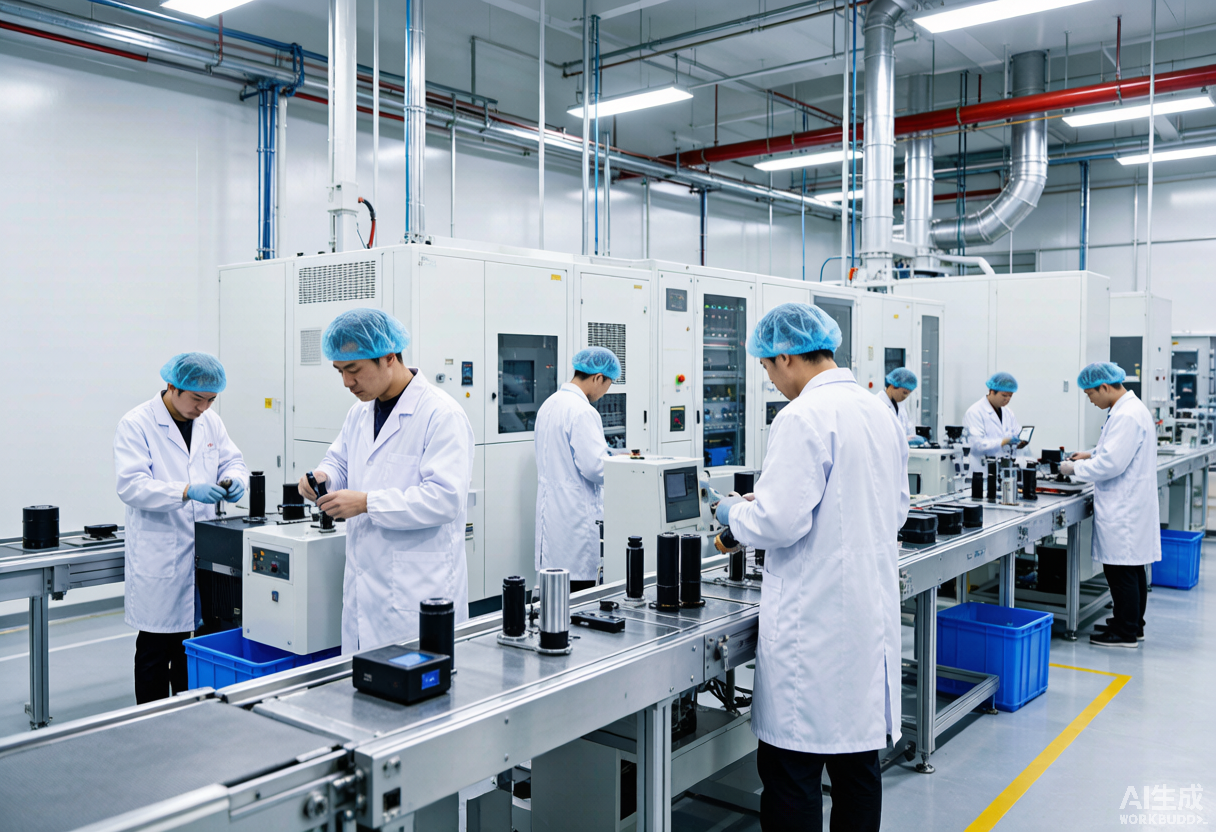
iMiracle’s Shenzhen production facilities: the world’s largest disposable vape manufacturing hub
Medium-Term Structural Shifts (Q4 2026 – 2027)
The longer-term consequences are more profound and potentially transformative for the global supply chain:
| Impact Area | Likely Outcome | Probability |
|---|---|---|
| Manufacturing capacity reallocation | iMiracle may shift 20-30% of production to offshore facilities in Indonesia or Malaysia to insulate export volumes from domestic regulatory risk | High (70%) |
| Brand portfolio restructuring | Lost Mary and WAKA sub-brands may be legally separated from iMiracle’s Chinese entity to create regulatory firewalls | Medium (55%) |
| Compliance cost escalation | All Shenzhen-based OEMs will face higher compliance costs (estimated +12-18% per unit) as STB audits expand industry-wide | Very High (85%) |
| Competitor advantage window | Rivals like SMOORE (Vaporesso), ALD, and FirstUnion may gain market share as iMiracle diverts management attention to domestic rectification | High (75%) |
| EU/US regulatory signal | European and American regulators will cite China’s domestic crackdown as justification for stricter import oversight | High (80%) |
“When China regulates its own champion brand, it gives ammunition to every regulator in the West who wants tighter import controls. The iMiracle case will be cited in Brussels and Washington within months.”
— Marcus Chen, VP of Regulatory Affairs at the Asia Pacific Vapor Council (APVC)
The Broader Context: iMiracle’s Global Regulatory Battles
Beijing’s crackdown adds another front to a multi-front war iMiracle is already fighting across global markets. The company’s international operations have faced escalating resistance:
United States: FDA Marketing Denial Orders
FDA has issued marketing denial orders (MDOs) for multiple Elf Bar SKUs. Despite these orders, Elf Bar products remain widely available through unauthorized retail channels and online gray markets. The agency has worked with US Customs and Border Protection to intercept shipments, seizing over 1.5 million Elf Bar units at US ports in the first half of 2026 alone.
European Union: TPD Compliance Scrutiny
Several EU member states have intensified enforcement against Elf Bar products that exceed TPD limits on tank capacity (2ml) and nicotine concentration (20mg/ml). Germany’s customs authority issued a blanket import halt on Elf Bar products in May 2026 pending a full review of compliance documentation.
United Kingdom: Post-Disposable-Ban Crackdown
Since the UK’s disposable vape ban took effect in June 2025, Elf Bar’s “rechargeable” product variants have faced regulatory skepticism. The MHRA is investigating whether certain Elf Bar models function as de facto disposables and should be classified under the ban.
What Importers and Distributors Should Do Now
If you source Elf Bar or other iMiracle-owned brand products for international markets, the immediate playbook is clear:
- Audit your supply chain documentation. Ensure every shipment has complete traceability records, customs declarations, and compliance certificates. Regulators in Europe and the US will increase scrutiny of Chinese-origin vape imports.
- Diversify your sourcing portfolio. The iMiracle situation is a reminder that single-supplier dependency carries regulatory risk. Consider qualified alternatives: SMOORE (FEELM), ALD Group, FirstUnion, or emerging Vietnamese manufacturers.
- Monitor pricing carefully. Wholesale Elf Bar prices will be volatile in the near term. Lock in supply agreements where possible, but avoid over-committing to inventory before the compliance outcome becomes clearer.
- Engage local regulatory counsel. Every major market has its own interpretation of how China’s domestic crackdown affects import oversight. Get jurisdiction-specific advice on labeling, documentation, and reporting requirements.
- Prepare for media scrutiny. The iMiracle story will generate press coverage. Have a prepared response for retail partners and consumers asking whether your products are affected.
Bottom Line for the Industry
- The iMiracle emergency meeting is the single most significant domestic enforcement action against a major Chinese vape company since the 2022 regulations
- Export channels remain open in the short term, but compliance costs will rise industry-wide as STB audits expand
- Global regulators will use this as justification for tighter import controls, particularly in the EU and US
- The crackdown creates a competitive window for iMiracle’s rivals—SMOORE, ALD, and FirstUnion may capture share while iMiracle focuses on domestic rectification
- Long-term, the incident accelerates offshore manufacturing trends already underway in Shenzhen’s e-cigarette cluster
Outlook: Where This Goes From Here
The 15-business-day rectification deadline puts the next major checkpoint in early September 2026. Several outcomes are plausible:
- Best case: iMiracle submits a credible rectification plan, production resumes normal cadence, and global supply chains stabilize. Export-focused operations remain insulated.
- Base case: iMiracle’s rectification involves partial production reallocation, 3-6 months of compliance restructuring, and a modest rebranding effort to distance domestic and international product lines.
- Worst case: The STB escalates to formal penalties, product recalls, or license suspension for specific domestic SKUs, triggering broader industry audits and supply chain disruptions that last through Q1 2027.
Regardless of the specific outcome, one conclusion is already clear: the era of Chinese vape companies operating domestic and international compliance as separate games is ending. Beijing is now enforcing the same standards at home that Western regulators demand abroad—and companies that tried to play both sides are learning the cost.
For global importers and retailers, this is not a crisis to panic over. It is a structural shift to adapt to. The companies that diversify their supply chains, invest in compliance infrastructure, and build resilient sourcing strategies will be the ones still standing when the dust settles.
Elf Bar crackdown
iMiracle compliance
China vape supply chain
STB enforcement
disposable vape ban
Shenzhen manufacturing
global vape regulations
PMI IQOS stock
BAT Vuse Velo
vape import compliance
TPD regulations
FDA PMTA
heated tobacco market
vape industry news